
by Ben Pursel
On October 7, Hamas, a terrorist military and political organization in the Palestinian Authority, launched over 5,000 rockets into Israel over a 20 minute span, while simultaneously sending 3,000 Palestinian militants to infiltrate southern Israel from Gaza.
At 6:30 a.m. on the same day, Hamas militants entered an outdoor music festival near the town of Re’im, killing 270 with many more reportedly missing.
The Economist reported that Hamas’ October 7 attacks were the bloodiest in Israel’s history since the Holocaust with at least 1,400 Israeli deaths including 1,033 civillains, 275 soldiers, and 58 police officers.
Secretary-General of the United Nations and former Prime Minister of Portugal António Guterres said in an address to the Security Council on October 24, “I have condemned unequivocally the horrifying and unprecedented 7 October acts of terror by Hamas in Israel. Nothing can justify the deliberate killing, injuring and kidnapping of civilians – or the launching of rockets against civilian targets.”
Guterres then later said, “It is important to also recognize the attacks by Hamas did not happen in a vacuum,” referencing the necessity of historical context in the evaluation of the situation in Palestine.
The region of Palestine as we know it today has been continually inhabited for nearly 6,000 years. Over those six millennia, the region has swapped hands many times, though the longest rule of the area was by the Muslims, lasting from 637 to 1917 ending with the Ottoman loss in World War One.
The Ottoman Empire was dismantled by the victorious Triple Entente consisting of France, Britain, and Russia into constituent territories. The Palestinian territory, among others, was transferred to the British Empire by the League of Nations in 1922.
However, all but Palestine achieved sovereign statehood with the Balfour Declaration in 1917 expressing British interest in “the establishment in Palestine of a national home for the Jewish people.” From there on, the British Mandate saw a high amount of Jewish immigration, especially from eastern Europeans who sought to avoid the persecution of the Nazis.
Following The Great Revolt of 1936 where Palestinian natives fought for Arab independence and the end of open-ended Jewish immigration and land purchases in order to establish a “Jewish National Home,” the United Kingdom, sensing the difficulty of compromise, turned the Israel-Palestine question over to the United Nations.
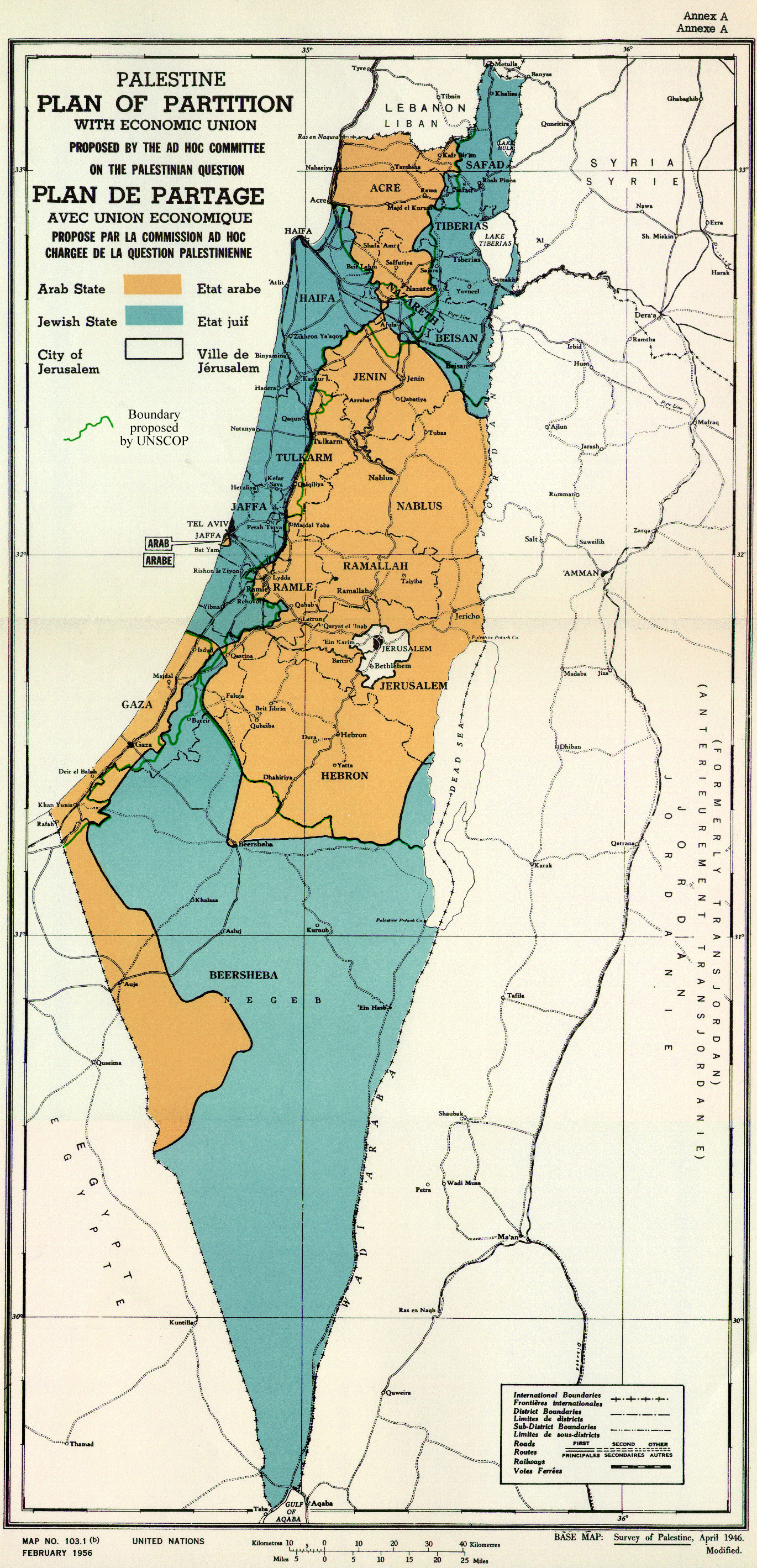
In 1947, the United Nations finally reached an agreement, proposing the dissolution of the British Mandate and the partitioning of the region into two independent states, one Palestinian Arab and the other Jewish, with Jerusalem–a holy site to all Abrahamic religions and important historical center–being internationalized.
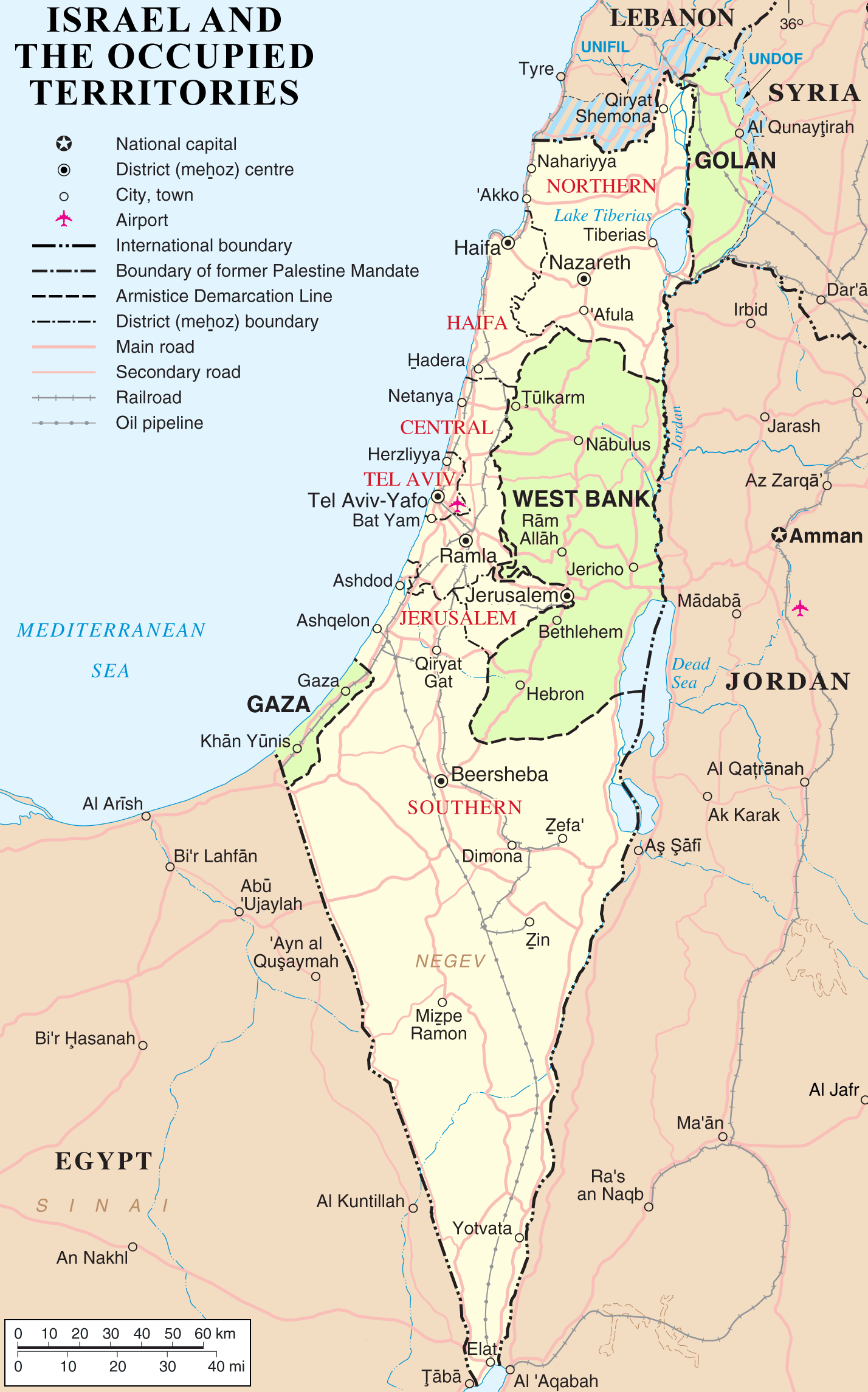
Just one year later in 1948, Israel declared its independence through war with neighboring Arab states, and expanded to more than 78% of the territory agreed upon by the United Nations, including Jerusalem. The war of 1948 catalyzed the start of “Nakba” meaning disaster or catastrophe in Arabic.
The Nakba encompasses not only the expansion of the Israeli state, but the expulsion of 700,000 Palestinians, the destruction of over 500 Palestinian villages by Zionist militias and later the Israeli army, and the denial of a Palestinian right to return.
No major Palestinian action occurred in the lands they had been expelled to until 1987 with the Intifada–a major series of uprisings against Israeli-occupied Palestinian territories resulting in the deaths of nearly 2,000 Palestinians and nearly 200 Israeli soldiers.
Since then a physical wall has been erected between the Palestinian state and the Israeli state with the modern borders still reflecting those 78% larger than the United Nations agreed upon.
 EagleView News