
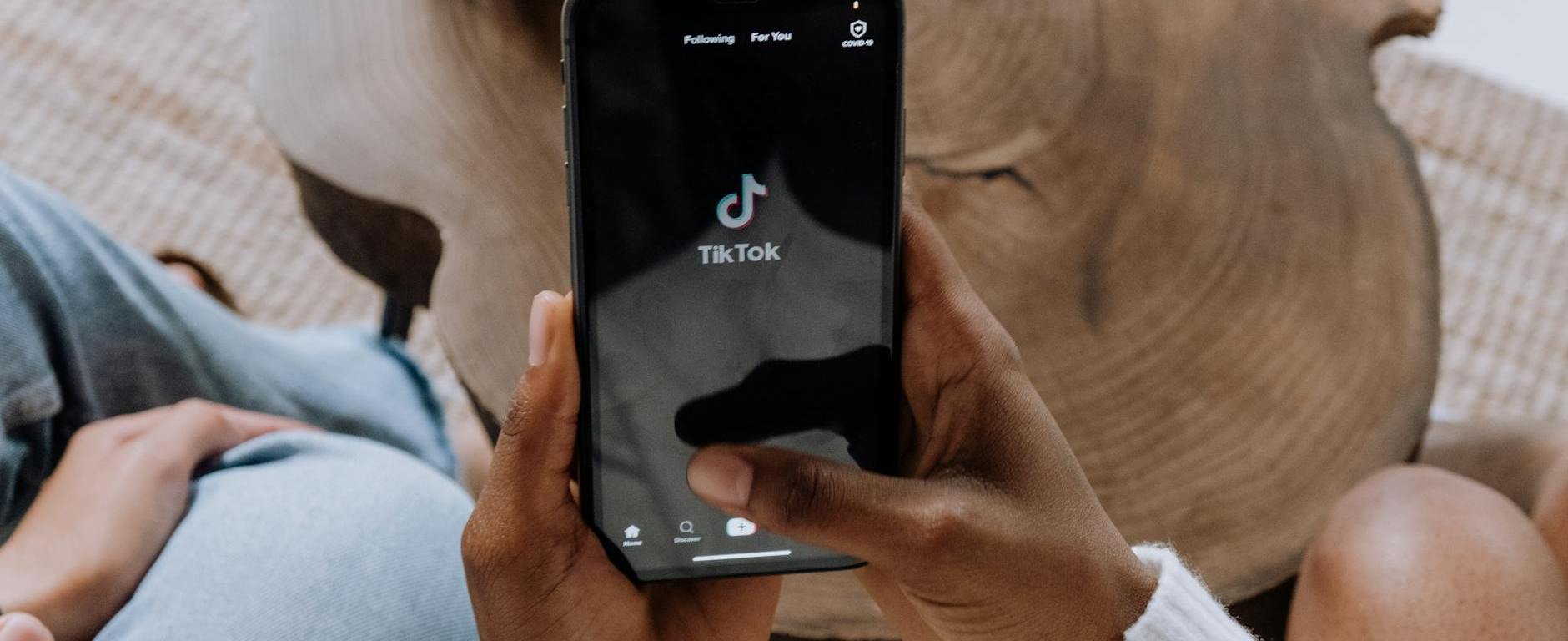
by Paul Jefferson
On March 13, the US House of Representatives voted to pass legislation that would effectively ban TikTok in the United States.
The “Protecting Americans from Foreign Adversary Controlled Applications Act” had bipartisan support, passing 352 to 65.
The bill technically isn’t an outright ban of the popular video-sharing app. The bill states, “The prohibition does not apply to a covered application that executes a qualified divestiture as determined by the President.” This means that TikTok can still exist in America as long as their parent company, Bytedance, agrees to sell to an American company and “divest” in the app. This is unlikely to happen.
The primary reasons TikTok is under scrutiny is because it’s considered a national security and privacy threat. The Chinese government has laws stating that any and all data that a Chinese company may have must be handed over to their government if requested. TikTok is reportedly used by more than 150 million Americans.
The bill still needs to pass the Senate before it comes before President Biden. Biden has said that he will sign the bill, so it all comes down to how much the support the bill has in the Senate.
Bellbrook High School Senior, August Aiello, had her own thoughts on the possible ban. “I don’t think it has any more security or privacy risk than any other social media platform,” Aiello said.
She brings up a common criticism of the ban. Many other popular social media apps also have many of the same privacy concerns as TikTok. TikTok, like Facebook, Reddit, and other social media sites, collects user data to sell to advertisers. On multiple occasions, these apps have been victim to security failures and leaks.
Many opponents to the ban also have some free speech concerns. “I think any social media platform is important for free speech, but TikTok is especially important because anybody can reach a massive audience,” Aiello said. TikTok’s accessibility makes it easy to build an audience.
In recent months, TikTok has begun an ad campaign to try and move support away from a ban. Popular creators and pop-up messages in the app try to convince people to call their government representatives and tell them why they shouldn’t ban the app.
 EagleView News