
By Nora Shupe
According to NBC News, “The war in Iran has led to higher prices at the gas pump. Gas prices in the United States, up by more than 40% since the U.S. and Israel launched the war, have soared as the global oil supply constricts.”
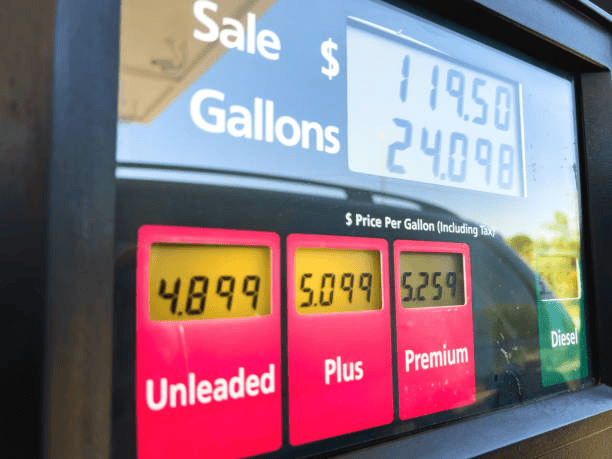
Now surging at $4 or more per gallon, gas prices are starting to strain already stretched budgets across the nation. Forbes reports 46% of households can barely afford prices and are at a pressure point.
Not only is the rising gas prices affecting people’s travel, it’s also affecting their daily life and spending money. The use of “Buy now Pay later” services has increased by around 41% and lots of people around the US are late on payments.
Emma Dabell, a junior at the Greene County Career Center, pays for her own gas and struggles sometimes balancing different activities.
“Yes, sometimes I do have to pick and choose different activities depending on if I have to fill my tank up,” Dabell said. “It sucks sometimes because I have to choose between doing something with my friends or being able to drive. Also I’ve noticed a very significant rise and drop of the gas prices. They have been reaching right under $5 on days and getting right above $3.80 range for ‘cheap.’”
Students now have to pick and choose what activites they want to go to and what they can afford.
Josh Craig, a business and personal finance teacher at BHS, explained how gas prices also start to show up in the products we buy. “Every business has to move stuff if they’re selling a tangible product. If you have to move something manufactured overseas to here, it either came on a ship or a plane,” Craig said. “Once it got here it was moved by either train or truck or airplane, and when those prices go up, businesses don’t just eat it and take a loss. They’re going to raise their prices in electronic tags on whatever item in the store and so they can change it faster to be more reactive to things like gas prices or tariffs.”

