
By: Ella Kapfhammer
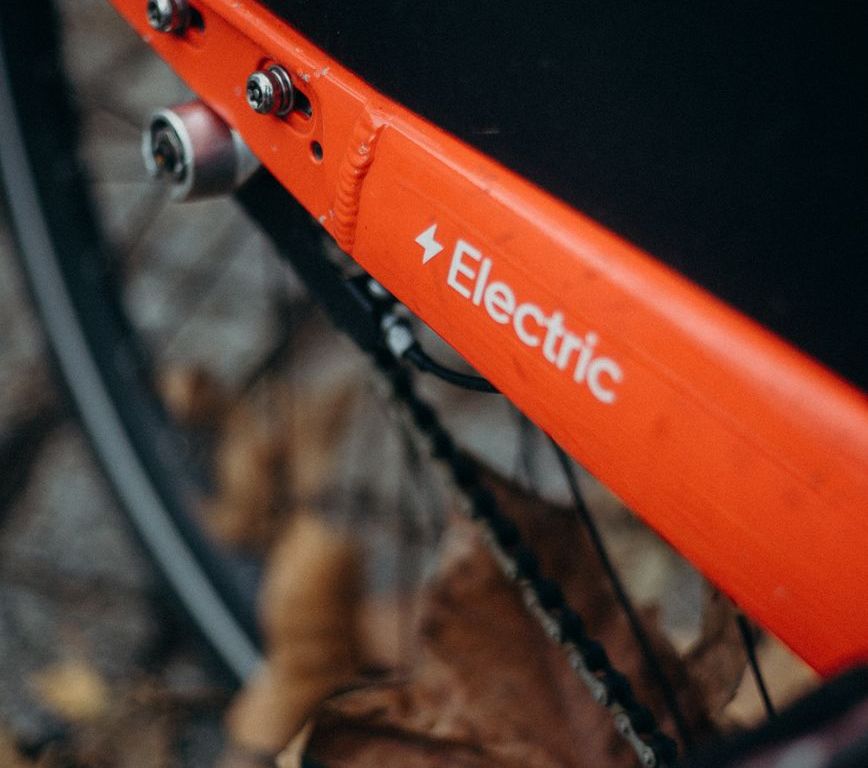
Electric vehicles are on the rise with young teens. Middle school students are the target audience for companies selling electric bikes and scooters. They provide a mode of transportation and a sense of independence for those that do not have drivers licenses yet. Adding an electric motor to bikes and scooters makes them faster and more efficient, but in turn, this speed can bring up questions of safety.
The Bellbrook School Board partners with an organization called Neola who monitors changes to state and federal laws and advises policy recommendations to school boards. Neola met with representatives of the Bellbrook school district and advised them to consider a policy on electric vehicles to ensure safety for students.
Bellbrook School Board President Mike Kinsey along with his fellow Board members recently adopted the electric vehicle policy after receiving a recommendation from Neola. Kinsey said the primary reason for the Board to adopt this policy was to ensure that Bellbrook-Sugarcreek Schools is following Ohio’s state laws regarding the use of electric bikes and scooters.
“I am unaware of any major issues occurring at our schools,” Kinsey said. “Rather, the Board of Education is being proactive and heading off any potential future issues by setting guidelines so students can continue to use and enjoy e-bikes in a safe and appropriate manner to and from school.”
The policy states, “Under no circumstances may a personal transportation device be operated on Board property at a speed that exceeds ten (10) miles per hour.” The Bellbrook-Sugarcreek Schools handbook describes the areas of campus in which students must follow the new rules, as well as many other specifications surrounding the new policy.
Bryson Aldridge, a 7th grader at Bellbrook Middle School, rides an e-bike to school. This electric vehicle has a top speed of 22 miles per hour. “I haven’t rode my bike to school since the new rule,” Aldridge said. “I used to gun it all the way there and I don’t want to go 10 mph all the way up the hill if I’m running late.”
Aleah Hall is also a 7th grader at Bellbrook Middle School. She frequently rides an electric scooter around town that can reach over 20 miles per hour.
Hall has received injuries from falling off of her e-scooter. There is a visible scar on her arm from an accident that occurred, coincidentally, on the same day Aldridge received a scar on his knee from an e-bike accident.
Higher speeds increase crash forces and make loss of control or collisions more severe. Marion Henry, a pediatric surgeon, explained the risks with young teens and electric vehicles in an article published by The University of Chicago Medicine. “Kids often don’t know the rules of the road or how to control these vehicles,” Henry said. “Their brains are still developing, especially the parts that help with attention and quick reactions, making it harder to avoid collisions.”
Neither of the two middle schoolers wear helmets or protective gear when using their vehicles. “E-bikes are not always dangerous for middle schoolers,” Hall said. “It depends on who is driving.”
The policy states, “Students must reduce their speed to walking pace or dismount entirely, regardless of the general campus speed limit.” This rule among all others in the policy must be followed at all times when on school property.
Aldridge explained how there is a 20mph speed limit sign on the hill up to the middle school. He feels that he should be able to follow that speed limit sign intended for cars rather than the new policy.
Board Policy 5514 states that gas-powered scooters, mini-bikes, dirt bikes, and similar vehicles are not permitted. These vehicles require a license and must follow the rules of the road. The policy clarifies, “E-bikes without functional pedals are not permitted on school property. That is not considered a bike, but a motor vehicle at that point, and a license and a license plate is required by law to operate it.” If students want to follow road speed limit signs rather than the 10 mph rule, they would need a license and a license plate, which is not the case for most students riding electric vehicles.
While some middle school students do not love the speed limit policy, they still have the privilege of riding their vehicles to school. Administrators at Bellbrook Middle School also held an assembly on electric vehicle safety in order to teach their students how to be safe and smart on their rides to and from school.
“A child learning to help pack their own backpack during younger years, keeping a homework routine in later years, and yes, even ripping an e-bike to and from school (at a safe speed!) are important experiences for each of us,” Kinsey said.
“I am grateful that the e-bike policy we adopted provides a balance of keeping everyone safe, while still allowing students to enjoy them to and from school,” Kinsey said. “I’ve seen some other districts ban them outright on school property and personally don’t think that’s the best solution. It robs kids of something important. An essential part of growing up involves also growing into personal responsibility and independence.”

